2026-10-16
A squishy toy factory audit by video works only if you spend the 30 minutes on five fixed camera stops — receiving, molding, filling, QC and packing — and log what you actually see against what the supplier claims. Proposed timing: receiving 4 minutes + molding 6 + filling/sealing 7 + QC 6 + packing 3 = 26 minutes across five stations. Add a 4-minute follow-up for a 30-minute call.
The point is not to certify the plant. It is to produce a defensible evidence log you can attach to a trial order, so that a later dispute about material, batch identity or labeling has a dated reference. Chemical safety cannot be judged from video at all — that requires laboratory testing against the destination market's rules — so treat the call as a commercial and process screen, not a compliance verdict.
Use these optional procurement prompts to create an observation log for the selected SKU and the inspection scope agreed with your supplier.
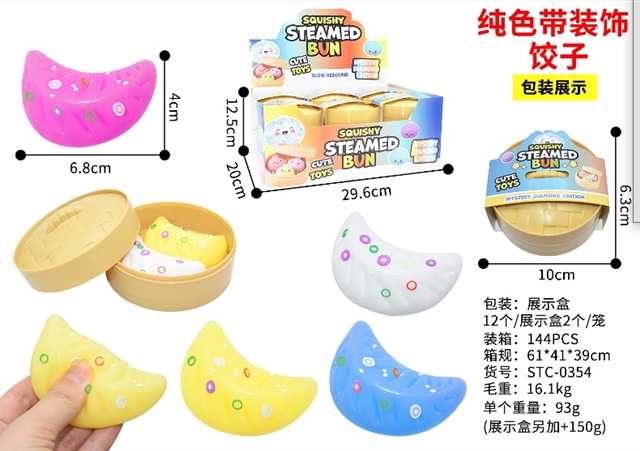
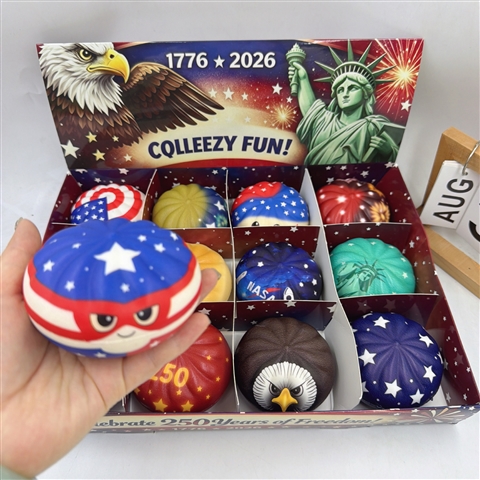
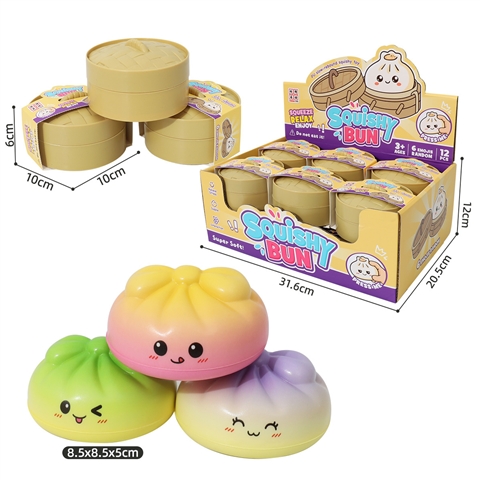
What a 30-Minute Video Audit Can and Cannot Establish
| Process sequence and whether steps are skipped | Observable on video — ask the camera to follow one batch end to end |
|---|---|
| Batch identity and traceability labels | Observable if the operator reads the label aloud and shows the date/batch code |
| Incoming material documentation (supplier COA, material name) | Observable as a document; content still needs verification against the specification |
| Chemical safety (phthalates, migration of elements) | Not observable — requires laboratory testing for the destination market |
| Test report and certificate status | Not established by video; request the actual file and confirm model, date and responsible issuer |
| Capacity, output per shift, on-time history | Not established by a single call; ask for records rather than impressions |
Minute 0-4: Receiving — What the Camera Should Show First
Start at goods-in, not on the production line. Ask the camera to hold on the raw material sacks or drums long enough to read the material name, the supplier's name and the batch or lot code, then pan to the store card or incoming inspection record for the same lot. If the material name on the sack and the material named in the specification do not match, stop and resolve that before the tour continues.
This is also where you test whether the factory runs incoming inspection at all. A written IQC record with a date, a quantity and a signature is a different thing from a verbal assurance that material is checked. You are not auditing the accuracy of the record on a video call; you are confirming that a record-keeping habit exists and that someone owns it.
One caution on scope: a material field in a catalog or a sack label may describe only one component — a casing, a filling, a coating. It does not tell you how the finished squishy behaves in the hand or under heat.
Minute 4-10: Molding and Forming — Watch the Machine, Not the Showcase
Ask for the mold currently in the machine, and ask the operator to state which SKU that mold produces. A mold on a shelf proves nothing; a mold in the press, with the matching SKU named out loud, is the evidence you want. If the factory runs several shapes from one tool, ask how the changeover is recorded and whether the first-off shots are checked before full production.
Look at the trim and flash. Excess flash, torn edges or visible seams on the parts coming off the machine are process signals worth a follow-up question about the trimming step and its inspection criteria. Do not convert this into a defect-rate claim — one camera view is not a sample.
If the tour is interrupted here, note the timestamp and the machine, and pick it up in the follow-up window rather than letting the host move on. An interrupted feed that is resumed at the same station tells you more than a smooth, pre-planned walkthrough.
Minute 10-17: Filling and Sealing — The Step Most Buyers Under-Examine
On camera, ask what the filling is, how the fill weight is controlled, and how the seal is closed and checked. Watch whether the operator weighs a filled unit or fills by eye. Ask to see the sealing parameter recorded for the current batch, and whether a seal-integrity check exists as a written step. These are proposed checks you are asking the supplier to demonstrate; they are not a standard you can cite as law.
Suggested buyer check for a filled model: ask the operator to name the approved fill and show the recorded fill weights and closure checks for the selected batch. For a solid-foam model, use the checks in the agreed foam specification.
The CPSC US consumer safety alert describes the risk of heated squishy toys bursting and releasing material capable of severe burns, including exposure through microwaving, direct sunlight, hot vehicles, heaters or other high-temperature environments. Do not heat a sample during the video tour.
Minute 17-23: QC — Documents, Not Reassurance
Ask the QC station to show the sampling plan in use, the inspection record for the batch on the floor, and the person responsible for signing it off. Suggested buyer check: compare the sampling record with the inspection plan agreed for that lot. A sampling record does not itself establish product safety or compliance.
Minute 23-26: Packing Artwork and Carton Records
For a US-market project, compare the printed packaging age statement and warnings with that SKU's written specification. If the specification is unavailable, list it as a follow-up document; do not draw a compliance conclusion from the video. Review other markets separately. Age statements and warnings are SKU-specific; do not transfer one model's age statement to another model or mechanism.
Finish on the export carton: the shipping mark, quantity per carton and batch code. Suggested buyer check: record carton quantity separately from the quoted MOQ and ask whether full-carton ordering applies.
Minute 26-30: Interrupted-Feed Follow-Up and the Evidence Log
Keep the last four minutes for anything that broke: a dropped connection, a station the host skipped, a document nobody could find. Ask for the specific missing item by name and have the camera show it live, or agree a dated follow-up with a photo of the document. "We will send it later" without a date and a named document is not evidence.
Log everything in one table while the call is running. Three columns are enough: what you observed (with timestamp), what the supplier stated, and what remains unverified. Keep the two apart — a supplier's statement is not an observation, and a missing document does not by itself prove anything about the factory's intent or future performance.
| Observed (timestamped) | e.g. "14:12 — material sack read aloud, lot code matched store card" |
|---|---|
| Stated by supplier | e.g. "SKU-matched test documents held for US/EU/UK/Japan" — record as a claim |
| Unverified / to request | e.g. report naming this model, CPC issuer, seal-integrity record |
| Follow-up owner and date | Name the document and the date it will be provided |
Supplier Evidence Scorecard: Scoring the Call
Score each line as observed, stated-only or absent, and let the pattern drive the trial-order decision rather than any single answer. A factory that shows records it did not have to show is a different risk profile from one that answers every question verbally.
| Incoming material record with lot identity | Observed / stated only / absent |
|---|---|
| Mold in machine matched to a named SKU | Observed / stated only / absent |
| Filling identified and fill weight controlled | Observed / stated only / absent |
| Seal check recorded for the current batch | Observed / stated only / absent |
| QC sampling record signed and dated | Observed / stated only / absent |
| Test report naming this model and date | Observed / stated only / absent |
| Retail packaging age grading and warnings | Observed / stated only / absent |
| Carton mark, quantity and batch code | Observed / stated only / absent |
| Interrupted station resumed and shown live | Observed / stated only / absent |
Turning the Scorecard into a Bounded Trial Order
A video audit earns you the right to a small, dated trial — not a container commitment. Fix the trial before you place it: one or two SKUs, a defined observation window, and a written record of units offered, units sold and the sell-through calculation, so the reorder decision rests on your own shelf data rather than on the supplier's optimism.
Where the trial goes next depends on what you sell. If the supplier confirms stock cartons for the selected SKU, a short observation window may suit a novelty shelf trial; as a proposed trial design, buyers building a branded line can treat the trial as a tooling and specification checkpoint before committing to private-label or OEM/ODM work. If you need a starting point for the category itself, start with the Squishy Toys catalog, and book a factory video tour with your camera-stop list or request the audit-document list for the selected models.
Suggested buyer checks before a trial order: request written confirmation of the selected SKU's MOQ unit, carton quantity, quotation Incoterm and named place. Request any custom-logo, packaging or private-mold MOQ for your project separately in writing. Ask the supplier for written logo, packaging and private-mold MOQ figures for your custom project.
Video Audit Questions Buyers Ask Before Scheduling the Call
How long should the call actually be?
Thirty minutes is enough for five stations plus a follow-up window, provided you send the route in advance. A two-hour unstructured tour usually produces less usable evidence than a timed one.
Should I record the call?
Ask first and get written agreement. A recording is useful for your internal evidence log, but treat it as a commercial record, not as proof of compliance.
Can I accept a certificate shown on camera?
No. Note the document name, the model it covers and the date, then request the file. Confirm the model identity and the responsible issuer before relying on it.
What if the factory refuses a live walkthrough?
That is information, not necessarily a disqualification. Offer a narrower route — receiving plus packing, for example — and see whether the refusal is about scheduling or about the stations themselves.
Does a clean video audit mean the toy is compliant?
No. A video records process observations and cannot determine chemical safety or market compliance. Review the actual selected model's test evidence and destination requirements separately.
How do I handle a supplier's MOQ on a trial?
Suggested buyer checklist: request written confirmation of the selected model's MOQ and its unit, carton packing quantity, custom-project MOQ where relevant, and quotation Incoterm. Ask whether full-carton ordering applies.
Sources
Squishy Toy Supplier catalog: supplier product and MOQ listings; request current figures in writing
CPSC: US squishy-toy consumer safety alert, heating and packaging warnings
Put this into your procurement file.
Send the model, destination and approval scope to our team.
Request Audit Documents